7 Common Mistakes in Contract Management
There is a common misconception that the hard work is over once the “Ink is dry.”
In reality, the signature is just the beginning.
Treating your contracts as static files rather than living business assets is where the real risk lives. To help you protect your bottom line, here are seven of the most common mistakes we see in contract management and how to fix them.
1. Viewing Contracts as “One-Dimensional”
Many businesses treat a contract as a “one and done” task. Once it’s signed, it goes into a folder (or a digital “black hole”) and isn’t looked at again until there’s a dispute or a renewal.
- The Reality: A contract is a roadmap for a business relationship. It contains milestones, obligations, and triggers that need to be actively managed to get the full value of the deal.
2. Losing Track of Renewal Dates and Deadlines
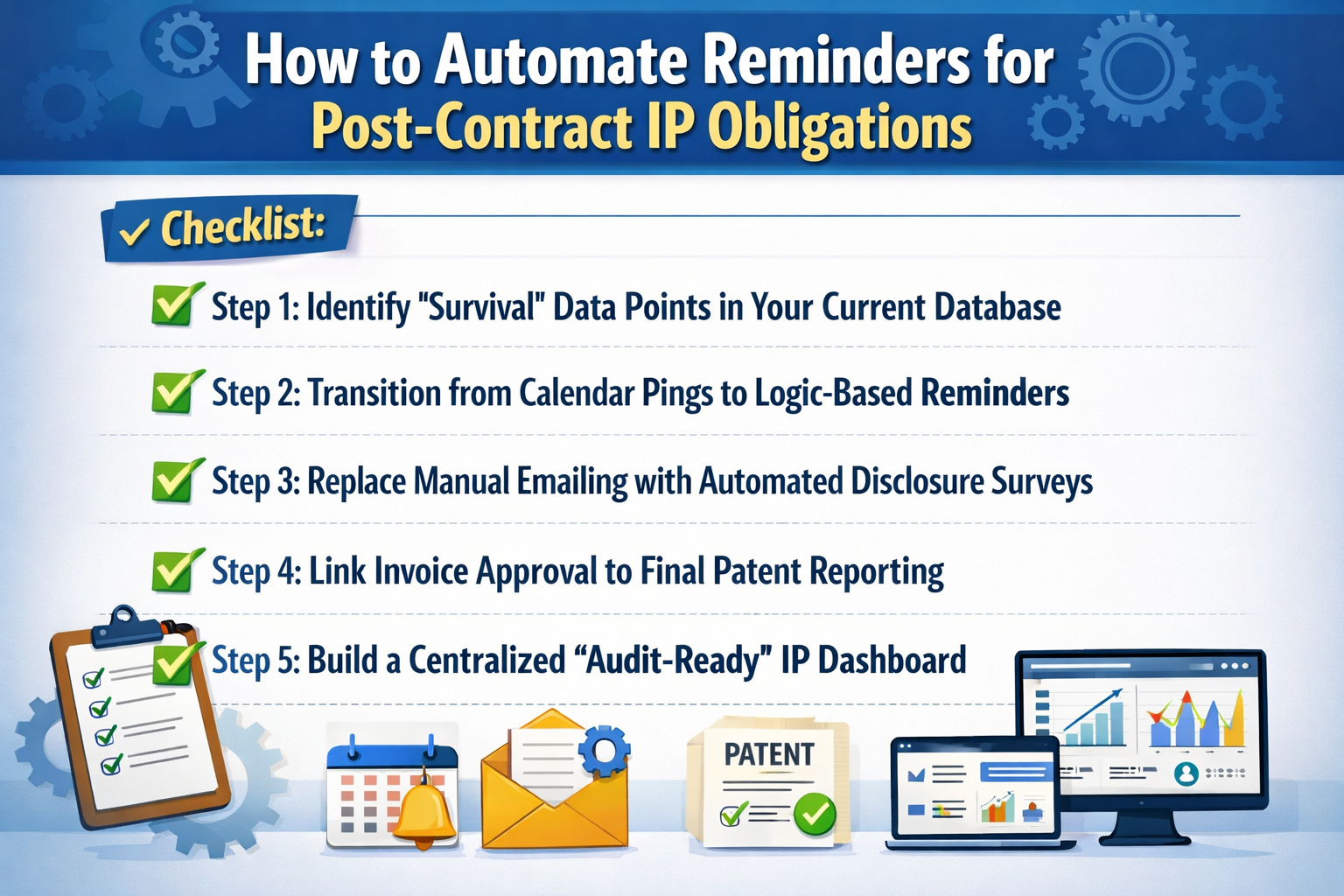
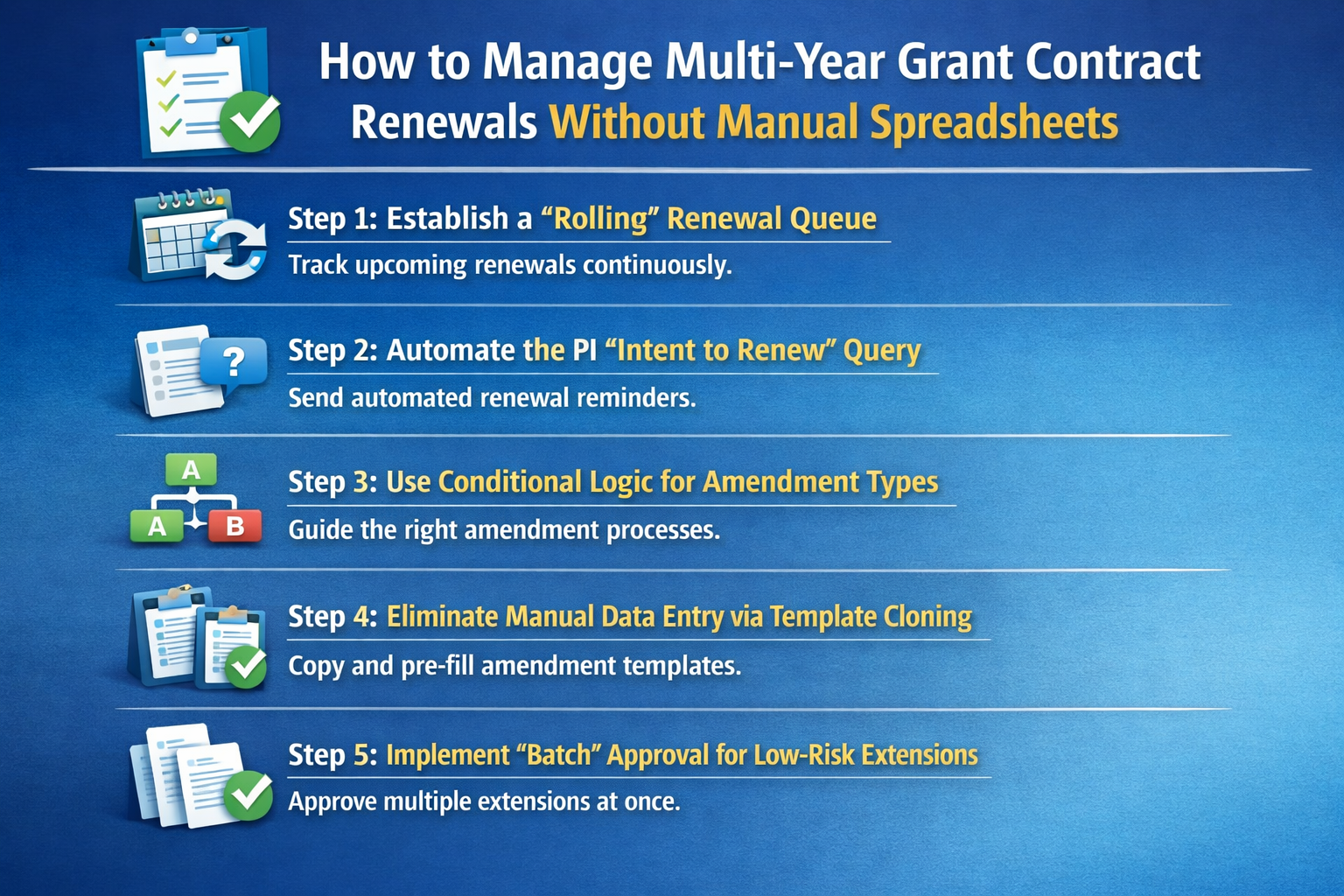
Relying on “memory” or a scattered set of calendar invites to track expirations is a recipe for disaster. This leads to “Auto-renewals” for software you no longer use or, worse, a service expiring when you need it most.
- The Fix: Move away from manual tracking. A central contract review workflow should automatically alert the right stakeholders 90, 60, and 30 days before a deadline so you have time to renegotiate rather than react.
3. Fragmented Storage (The “Inbox” Problem)
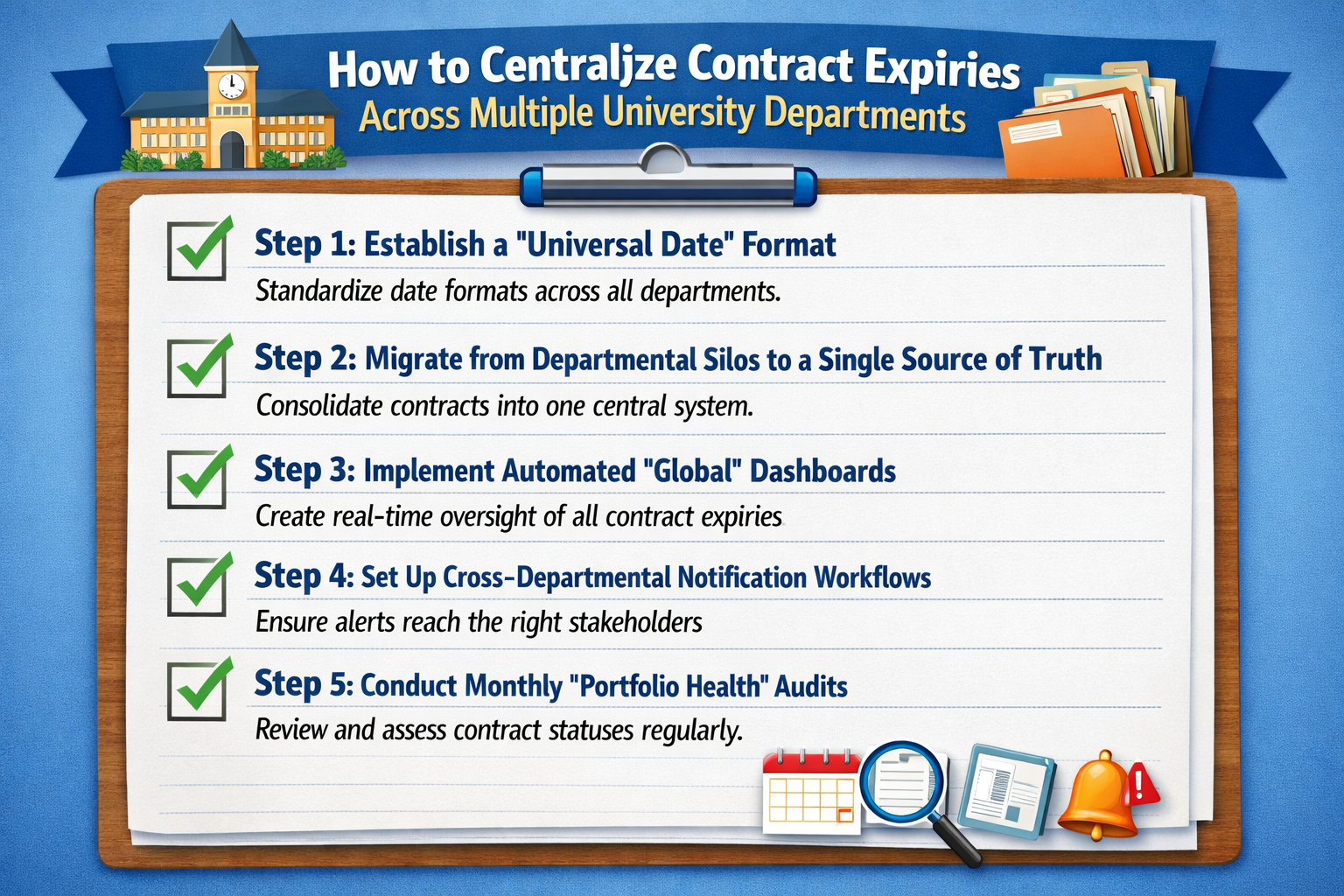
If your contracts are spread across Slack, personal inboxes, and various Google Drive folders, you don’t have a contract lifecycle management system—you have a scavenger hunt.
- The Risk: When you can’t find the “single source of truth,” you end up making decisions based on outdated versions or missing exhibits. You need one central hub where every stakeholder knows the final, signed version lives.
4. Poor Obligation Tracking
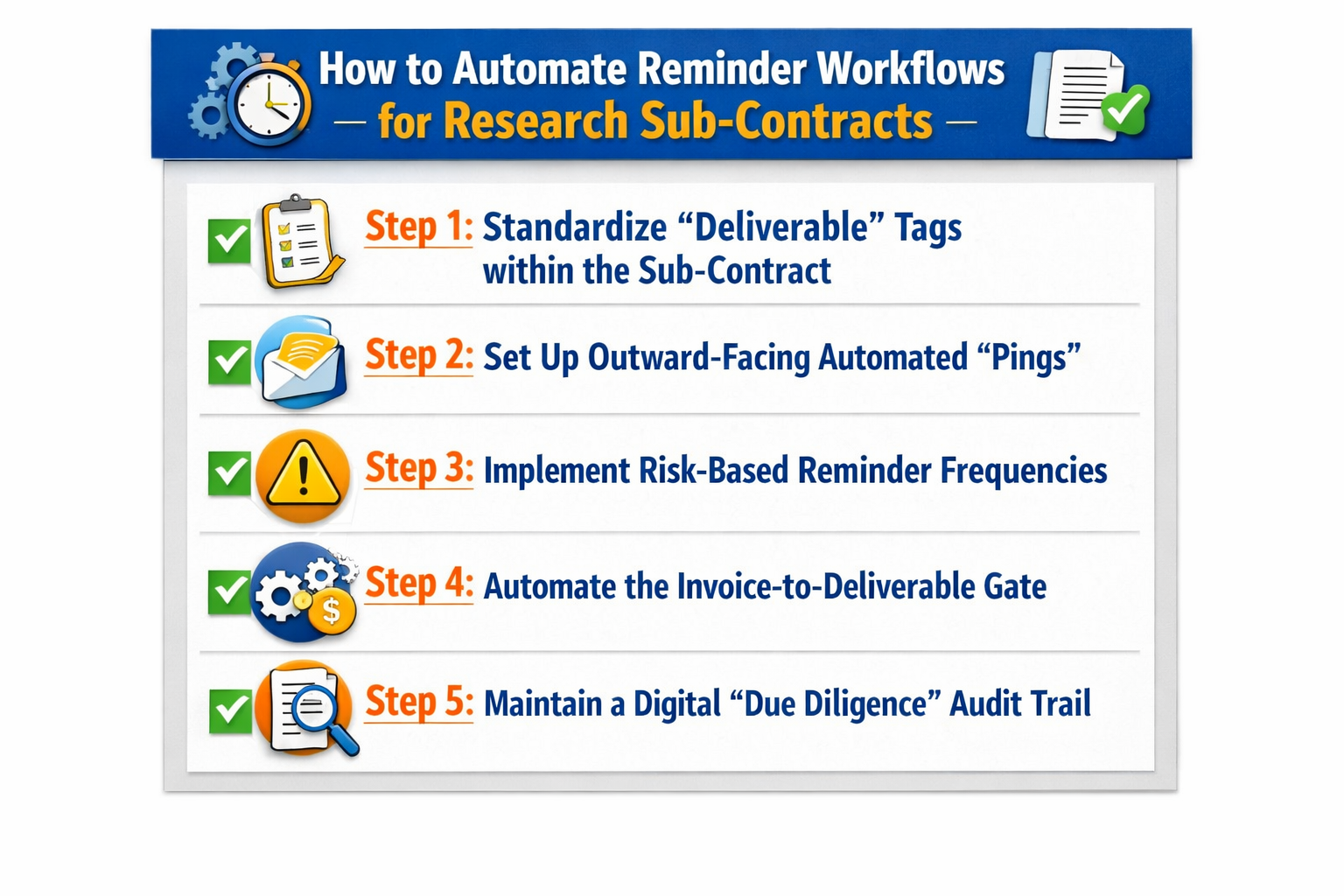
It’s one thing to have a contract; it’s another to ensure both parties are actually doing what they said they’d do. Failing to track “deliverables” is how projects go over budget and timelines slip.
- The Fix: Don’t just store the PDF. Break the contract down into actionable tasks. If the vendor promised a 10% discount after year one, who is making sure that actually happens?
5. Over-Reliance on Manual Data Entry
If you are manually typing contract data into your CRM or Finance tools, you’re inviting human error. A mismatched decimal point or a wrong date can have massive legal and financial consequences.
- The Fix: Leverage AI contract review tools to extract key data points automatically. This ensures your records are accurate without the “busywork” of manual entry.
6. Lack of Standardized Templates
Allowing every department to create their own “standard” agreements leads to “rogue” terms that increase your company’s risk profile.
- The Fix: Create a central library of pre-approved templates. This best practice ensures that every contract starts from a place of safety, making the negotiation phase much faster and more predictable.
7. Ignoring Post-Signature Reporting
If you can’t see the “big picture” of your contracts, you can’t optimize your business. Many teams don’t know how many active NDAs they have, or which vendors are their biggest liabilities.
- The Reality: Contract data is business intelligence. You should be able to run a report at any time to see your total contract value, upcoming risks, and deal velocity.
The Bottom Line
Effective contract management isn’t just about avoiding legal trouble; it’s about ensuring your business actually gets what it paid for. When you move past the idea that a contract is just an “administrative procedure,” you start to see it for what it really is: a tool for growth.
By fixing these seven common mistakes, you’re not just staying organized—you’re building a more resilient, scalable business.
See it in action
Turn contract chaos into a streamlined workflow
Join legal teams who cut contract turnaround time by 60%. Book a 15-minute demo to see how.